

The Allusionist
Gepresenteerd door Helen Zaltzman
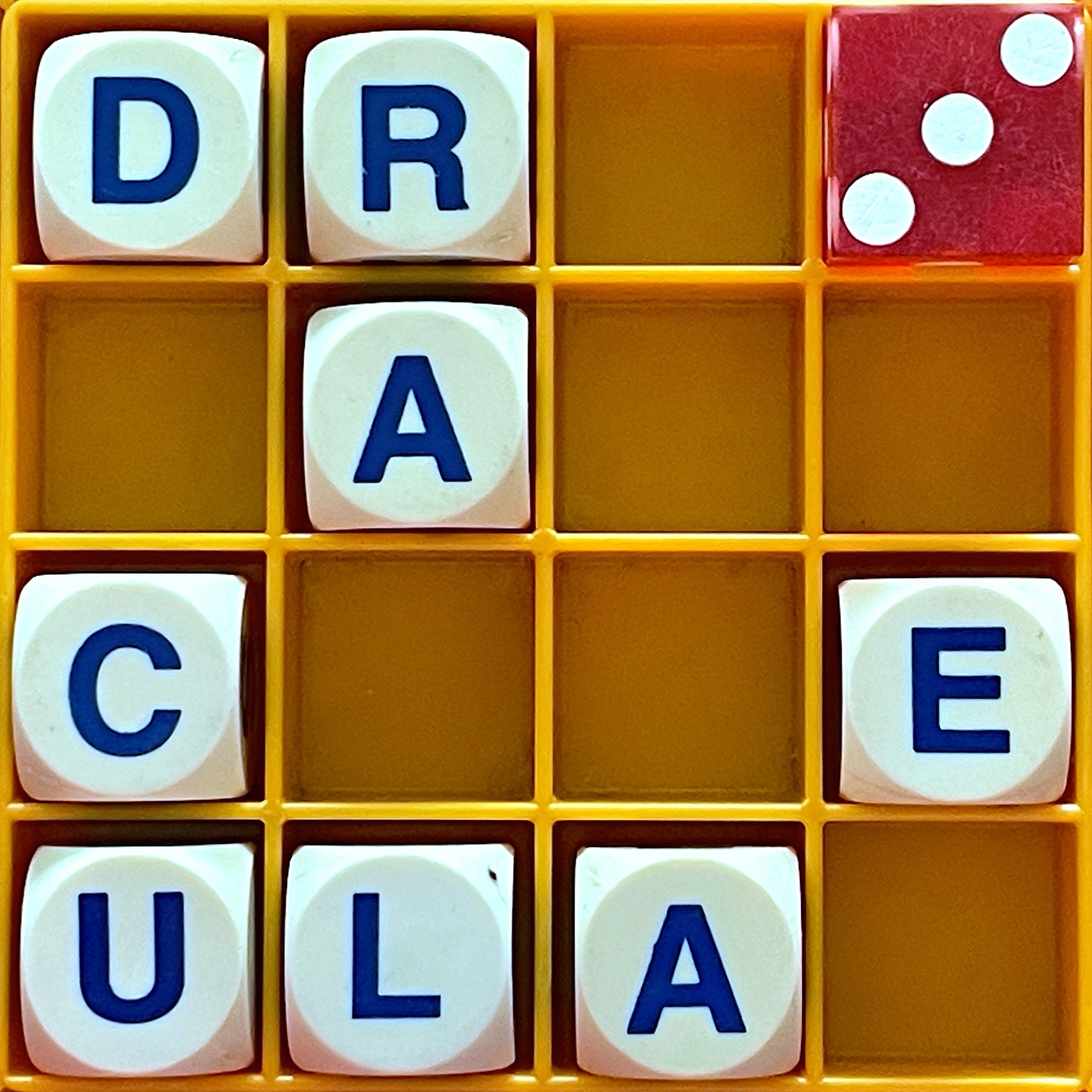
De zeer Britse Helen Zaltzman maakt al tien jaar de podcast The Allusionist. Elke aflevering is uitgebreid geresearcht en fijn verteld. Onderwerpen variëren van het middeleeuwse equivalent van een rap battle tot de taal van de Arabische queer community. Zaltzman heeft een heerlijke stem en is snedig op het bijdehante af, en dat geeft haar podcast een unieke stijl mee. Ook het artwork in de vorm van het spelletje Boggle is niet te missen in je podcastfeed.
Afleveringen
235. Trevor
<p>"I just thought: I wonder if I could get guys called Trevor to reclaim the name?" says Trevor Cunningham. "So I went on LinkedIn and I just looked for Trevors, and I started contacting them." And, having found way more Trevors than he had ever met in his life, Trevor set up AskTrev.com, a site where people can get advice for free from people named Trevor. Such as engineer Trevor Murphy, who explains why he joined this society of Trevors.</p><p>For more info and a transcript of this episode, v
234. No Names
<p>Alexinomia is the aversion to saying people's names. Psychologist Thomas Ditye explains what it means to have this condition - in some cases not even saying your spouse's name during 25 years of marriage - and the research he and colleague Lisa Welleschik are doing to learn more about it. Find their work (and tell them about your alexinomia, if you have it) at alexinomia.org.</p><p>For more info and a transcript of this episode, visit<strong> theallusionist.org/alexinomia</strong>.</p><p>Sign
233. Phobia
<p>'Phobia' gets used for anything from a mild aversion to a debilitating anxiety response to various forms of bigotry. <strong>Deboki Chakravarti</strong> and <strong>Sam Jones</strong> of the podcast <strong>Tiny Matters</strong> join to consider the term from its comedic origins with one of the founding fathers of the USA, via rabies and Greek deities, to its role in their lives today.</p><p><strong>CONTENT NOTE:</strong> we’re not trying to stoke anyone’s phobias, but we do discuss some comm
232. Vega
<p>What do you call yourself if you're a part-time vegetarian? What petty linguistic things would you change? And what do you do if people gripe at you if you say that you are bi or pan? To answer these questions from the Allusionist mailbag are esteemed alumsionists: Hrishikesh Hirway and Samin Nosrat of Home Cooking podcast; academic and author Alex Ketchum; lexicographer Kory Stamper; and linguist Lauren Gawne of Lingthusiasm podcast.</p><p>For more info and a transcript of this episode, visi
Tranquillusionist: cheesy cheesybobs
<p>This is the Tranquillusionist, in which I, Helen Zaltzman, say a series of words to relax your mind, replace a hectic interior monologue, maybe lull you to sleep, hopefully quell the mental uproar just for a little while. Today: nicknames for woodlice AKA rolypoly bugs AKA slaters AKA all these other things; and a list of cheeses from Great Britain and Ireland. If you need to skip the woodlouse content, go to the 5 minutes 45 seconds mark, whereupon the cheese begins.</p><p>Note: this is NOT
231. Lingthusionist
<p>“Linguistics and language is such a good mechanism for being curious,” says <strong>Lauren Gawne</strong>, linguistics prof, author of the book <em>Gesture: A Slim Guide</em>, and cohost of the podcast Lingthusiasm. I'm in vacation mode (although not on actual vacation alas), so today's episode is a fun chat with our nice pal about making language podcasts, the firey digestive punishments for linguistics researchers, working in reality television, and cute tame nouns versus scary intimid
230. Draculae part 4: Transformation
<p>Throughout the Draculae miniseries, about the Swedish and Icelandic translations of <em>Dracula</em> that played fast and loose with the original text, I've been wondering a couple of questions: why are cover versions of songs and remakes of films so normal and acceptable, whereas cover versions in book form cause such a stir? And do these Scandinavian <em>Draculae </em>count as fan fiction? And if not, why not? Fansplaining.com's Elizabeth Minkel explains what fan fiction can mean.</p><p>Vis
229. Draculae part 3: Hunting Down the Count
<p>Many mysteries accompany the revelations that <em>Powers of Darkness</em>, the Icelandic and Swedish versions of <em>Dracula</em>, are not direct translations of Bram Stoker's original, but stories that significantly differ in character names, plot and runtime. Like: did Bram Stoker write it himself, to publish some raunchy content that British censors would forbid? Was <em>Powers of Darkness </em>based on his early drafts? And did he really not copyright <em>Dracula</em> in the USA was that
Community
Podcast ClubMaak een account aan om mee te praten.
Wat een diepgang, respect voor de voorbereiding.
Deze aflevering zette me aan het denken.
Luisterde op de fiets naar werk, tijd vloog voorbij.
Heerlijk om naar te luisteren, wat een stem ook.
Precies wat ik vandaag nodig had.
Eerst koffie, dan deze aflevering. Perfecte start van de dag.
Echt een toffe aflevering, heb ervan genoten! 🎧
Wat een prachtig verhaal, blijf er nog over nadenken.