

Version History
Gepresenteerd door The Verge
Version History is een podcast die de verhalen achter de meest iconische – en soms beruchte – technologische producten verkent. Van baanbrekende gadgets tot geflopte innovaties en veelbelovende ideeën die nooit het daglicht zagen: elke aflevering duikt in de geschiedenis, impact en nalatenschap van een specifiek product. Wekelijks schuiven stemmen van The Verge en daarbuiten aan om samen het verhaal te ontrafelen van een gadget, app, website of andere technologische creatie. Met scherpe discussies en verrassende inzichten proberen ze te bepalen wat de échte betekenis is van deze producten—want niet alles wat invloedrijk is, was ook meteen een succes.
Afleveringen

Overhead projectors: Turn around
For decades, practically every classroom in the United States had one thing in common: a big, bright overhead projector at the front of the class. How it got there is a story that takes hundreds of years, and a war or two, to explain. David Pierce is joined by The Verge’s Jake Kastrenakes and Stanford professor Antero Garcia to learn about where projectors came from, how they took over education, and why they eventually faded out. Learn more about your ad choices. Visit podcastchoices.com/adch
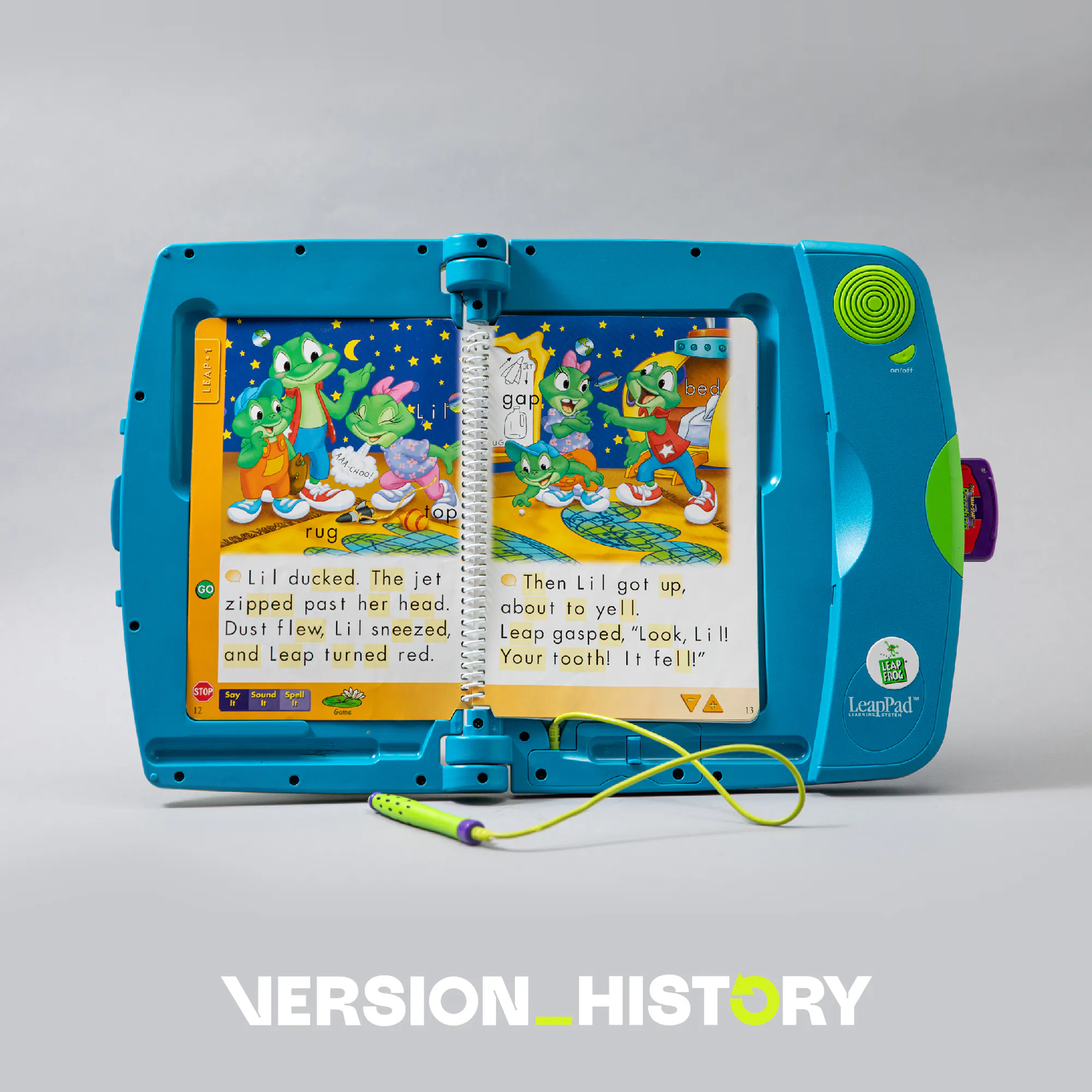
LeapPad: Book smarts
For multiple years, the hottest toy in the United States was a book. But not just any book: a smart book, which could play sounds and respond to taps and help kids learn to read. David Pierce is joined by The Verge’s Andru Marino and Jennifer Pattison Tuohy to explain how the LeapPad worked, why it was so enticing to both kids and adults, and why the company that made it could never quite follow it up. Vote for us in the Signal Awards! Vote Vergecast: Best Technology Podcast

Google Chromebook CR-48: Black box
Google didn’t even call the first Chromebook a “Chromebook.” The CR-48 had no interesting design and no bright logos – it wasn’t even designed to be a product you could buy. Instead, it was a portal to a big new idea about computers. David Pierce is joined by The Verge’s Nilay Patel and MKBHD’s Marques Brownlee to explain the history of ChromeOS and Chromebooks, and figure out whether Google’s approach to computer hardware was the right one. Vote for us in the Signal Awards! Vote Vergecast:

OLPC XO-1: The price of free
The idea was big, exciting, and inspiring: What if we could get every kid in the world access to a computer? For a bunch of thinkers and executives in Silicon Valley, it felt like the way to fix everything. But the One Laptop Per Child initiative, and the XO-1 laptop designed to be given away, were both more complicated than anyone expected. David Pierce is joined by The Verge’s Adi Robertson and tech journalist David Imel to figure out why OLPC didn’t work, whether there’s anything to learn fro

TI-84: Monopoly math
The same calculator has been on most kids’ back to school shopping list since the early 2000s. And the dominance of Texas Instruments’ calculator division goes back even farther. David Pierce is joined by The Verge’s Nilay Patel and Victoria Song to tell the story of the calculator, and how one company managed to take over the market and never let it go. Learn more about your ad choices. Visit podcastchoices.com/adchoices

Oregon Trail: Saddle up
Whether you played it in the back of your classroom or on your computer at home, if you were a kid in the last 30 years you almost certainly grew up playing Oregon Trail. David Pierce is joined by gaming journalist Chris Grant and Philip Bouchard, the designer and team leader of the game’s most iconic version, to talk about the academic origins of Oregon Trail, the game’s complicated legacy, and whether anyone ever really died of dysentery. Learn more about your ad choices. Visit podcastchoices.
Vergecast: ELIZA, the world's first chatbot
From The Vergecast, this episode takes a look back at one of the earliest chapters in the history of AI. Before Alexa and Siri, there was ELIZA. The first chatbot ever was the creation of a man named Joseph Weizenbaum, who built the bot almost as a magic trick — and then couldn't believe how many people fell for it. David Berry and Mark Marino, two members of a team dedicated to restoring and understanding ELIZA, explain how Weizenbaum created the virtual conversant, why he came to regret it, a

The Clapper: Light work
Clap on. Clap off. The Clapper may not have been a very good product, but it came with one of the all-time great marketing campaigns. And it might have even been a great, ahead of its time idea. The Verge's David Pierce and Victoria Song are joined by Allison Marsh, a writer and professor at The University of South Carolina, to talk through the Clapper's whole history. It involves lawsuits, broken gadgets, and a pioneering idea about laziness and the smart home. We’re also on video! Check us
Community
Podcast ClubMaak een account aan om mee te praten.
Kreeg er energie van, ga er iets mee doen.
Elke week weer een feestje om naar te luisteren.
Eindelijk iemand die dit duidelijk kan uitleggen.
Goede vragen gesteld, precies wat ik wilde weten.
Dit moet vaker besproken worden, goed dat jullie dit oppakken.
Wat een diepgang, respect voor de voorbereiding.
Deze aflevering zette me aan het denken.
Luisterde op de fiets naar werk, tijd vloog voorbij.